
Biodesign Challenge
The Biodesign Challenge bridges art, design, and biotech to engage students and the public in dialogue about the implications of emerging biotech. Read more about the project in “What Is Biodesign?” by Daniel Grushkin, the Biodesign Challenge’s founder.
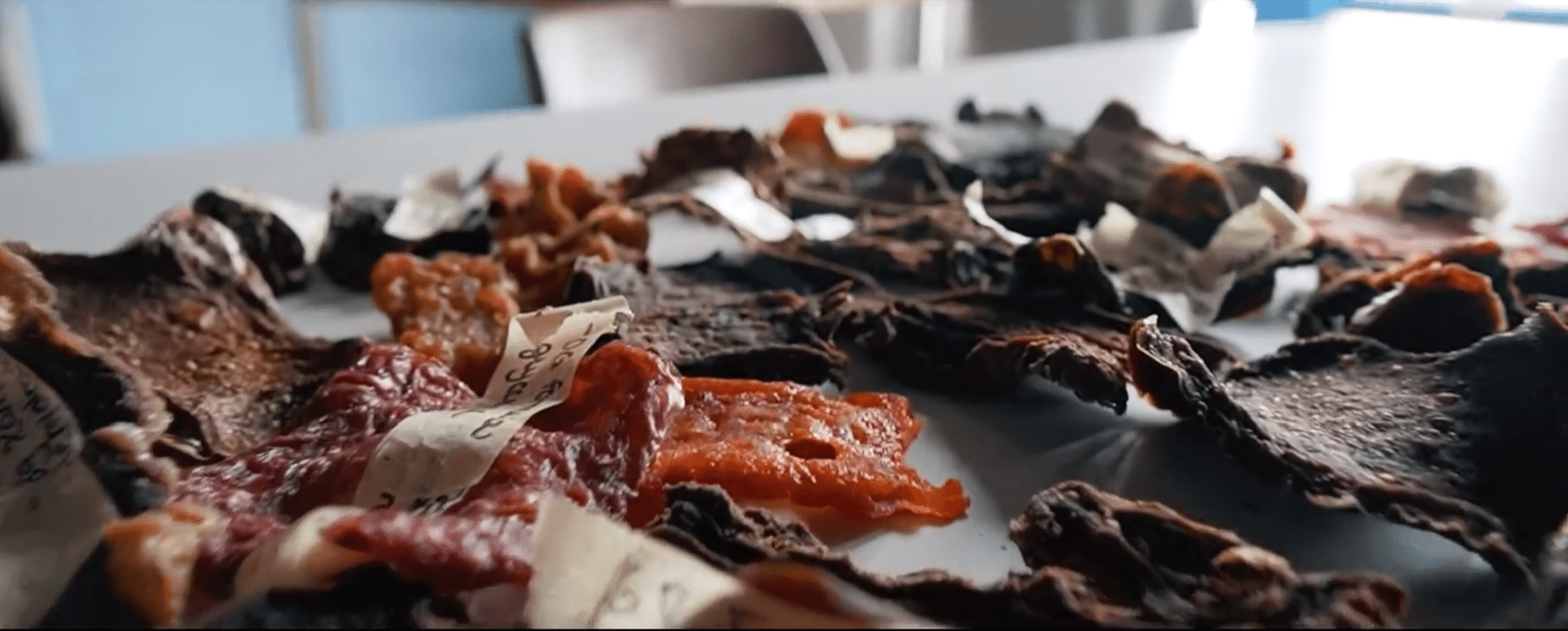
Could Bacteria and Algae Make a Tree?
In search of fast-growing alternatives to wood, University of Illinois Urbana-Champaign students created a wood substitute called Symmetry.Read More
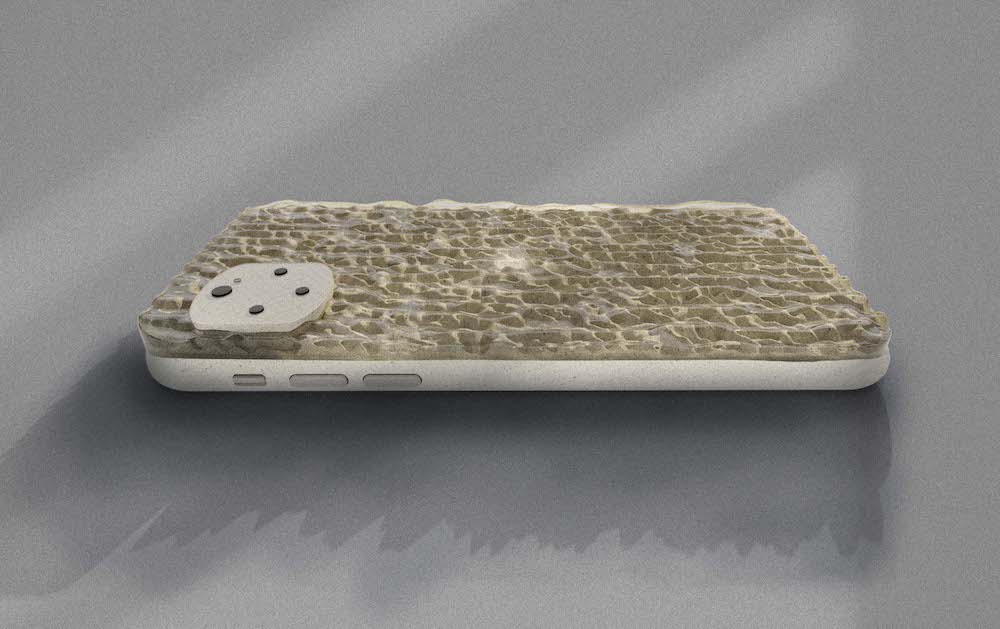
What If Our Phones Had Skin?
Sheathe cell phones in a living, electricity-generating skin made by bacteria, changing how we relate to them and how they are charged.Read More
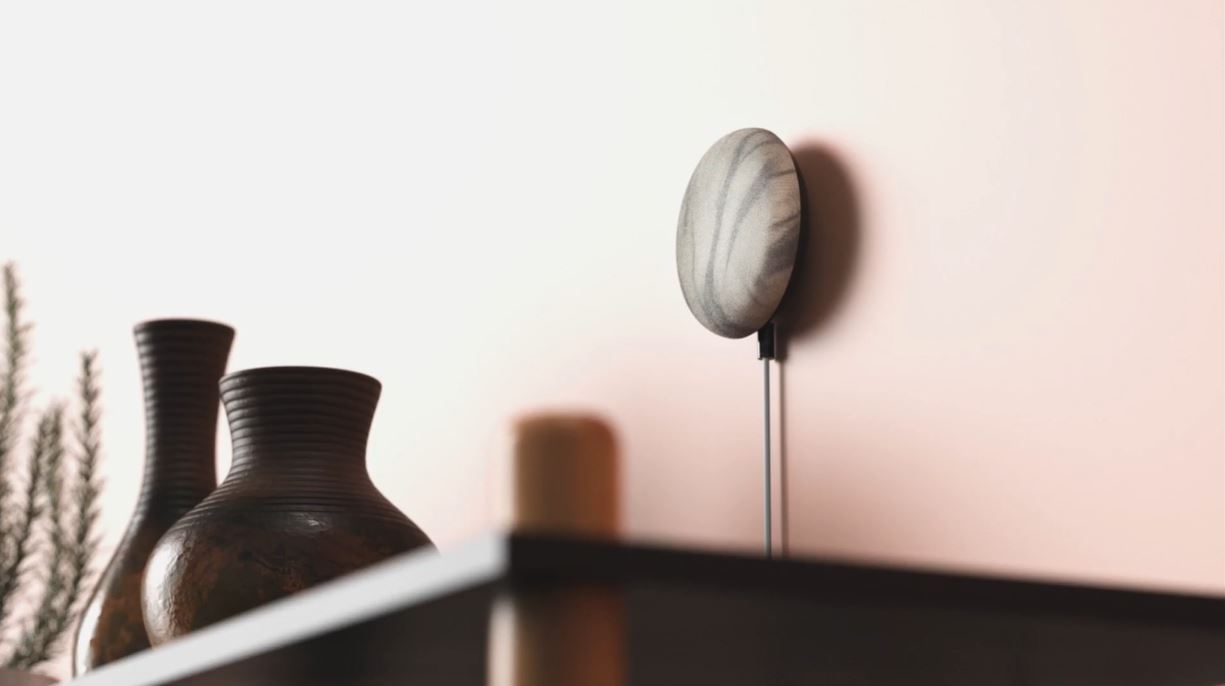
Can Food Scraps Reduce Electronic Waste?
Replace petroleum-based plastics in electronics with a carbon-capturing bioplastic made from agricultural waste.Read More
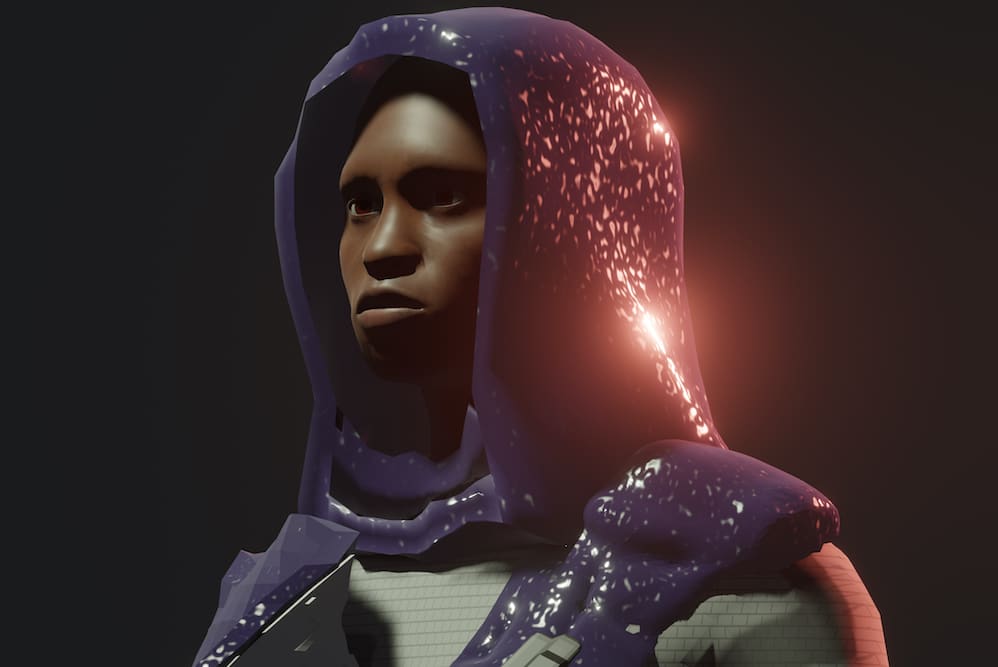
Can a Sensor-Laden Hoodie Protect Vulnerable Communities?
Safeguard communities of color against violence through a network-linked fashion line of hoodies.Read More
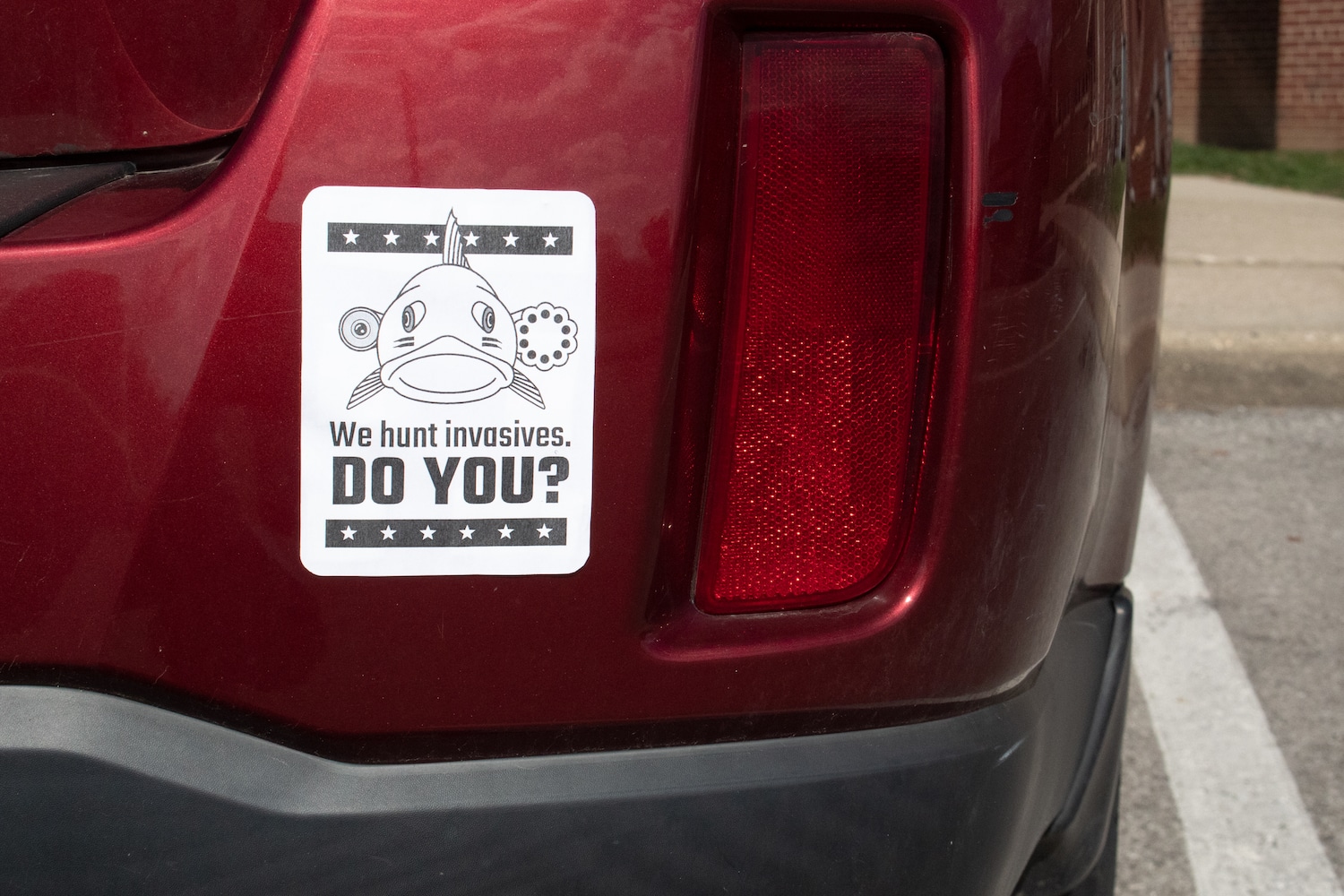
Can Satire Change Minds About Invasive Species?
Drop militaristic rhetoric from ecosystems management to reconsider the national response to invasive species.Read More
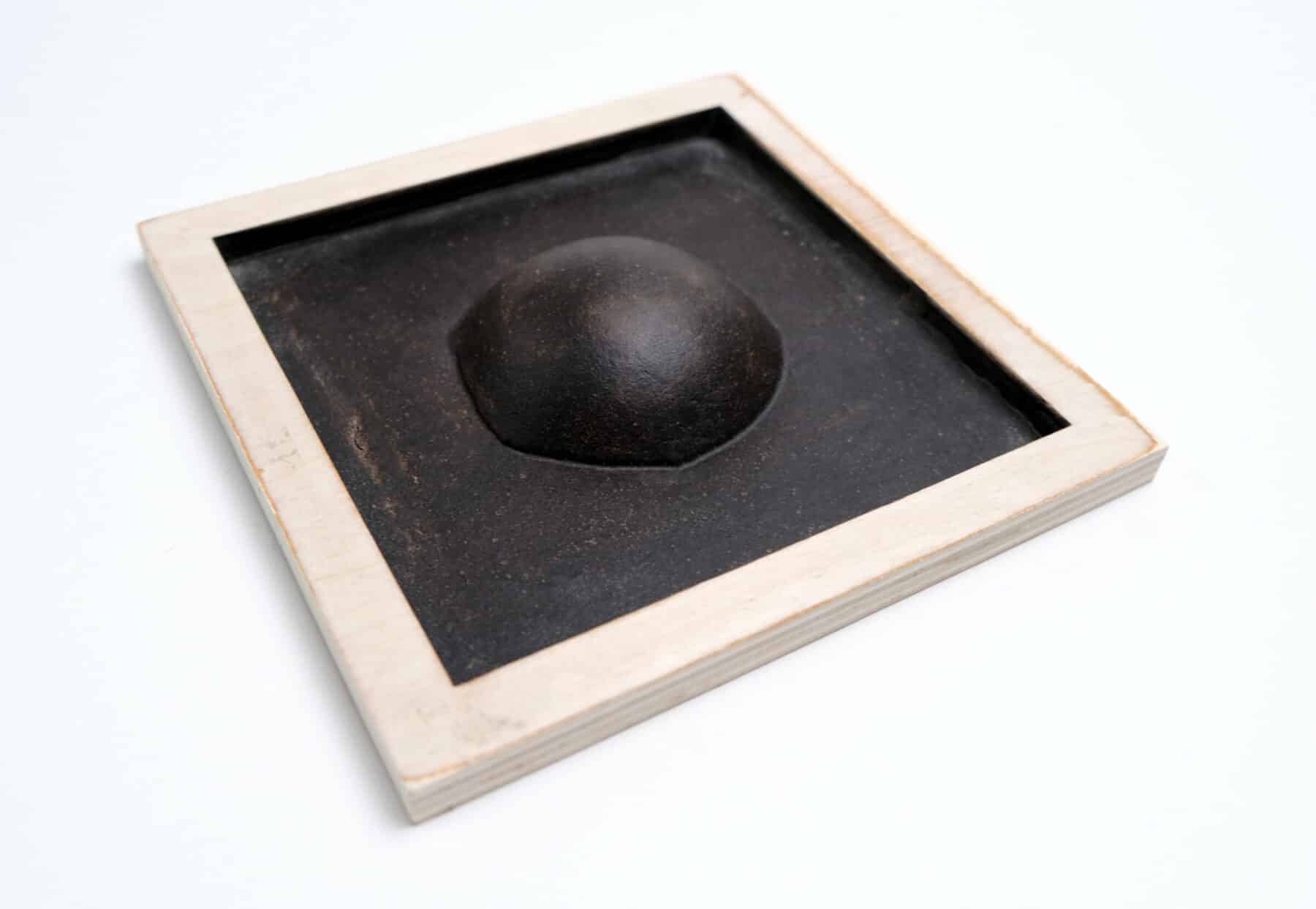
Can Crop Waste Reduce Plastic Pollution?
Use agricultural byproducts like molasses from sugar beets and spent grains from beer to make plastic consumer packaging more sustainable and circular.Read More

Can Fungus Fix Our Plastic Problem?
Replace single-use plastic packaging with a sustainable, biodegradable alternative made from mushrooms and silkworm cocoons.Read More
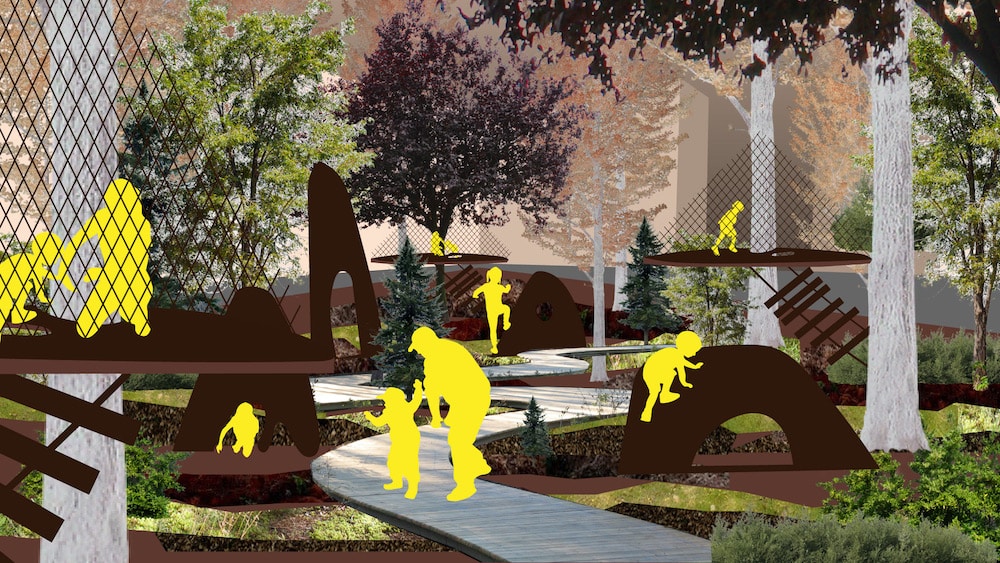
Can Dirty Playgrounds Build Healthy Communities?
Encourage community-built public playgrounds that foster microorganism-rich dirt to remediate industrial toxins and provide space for gardening.Read More
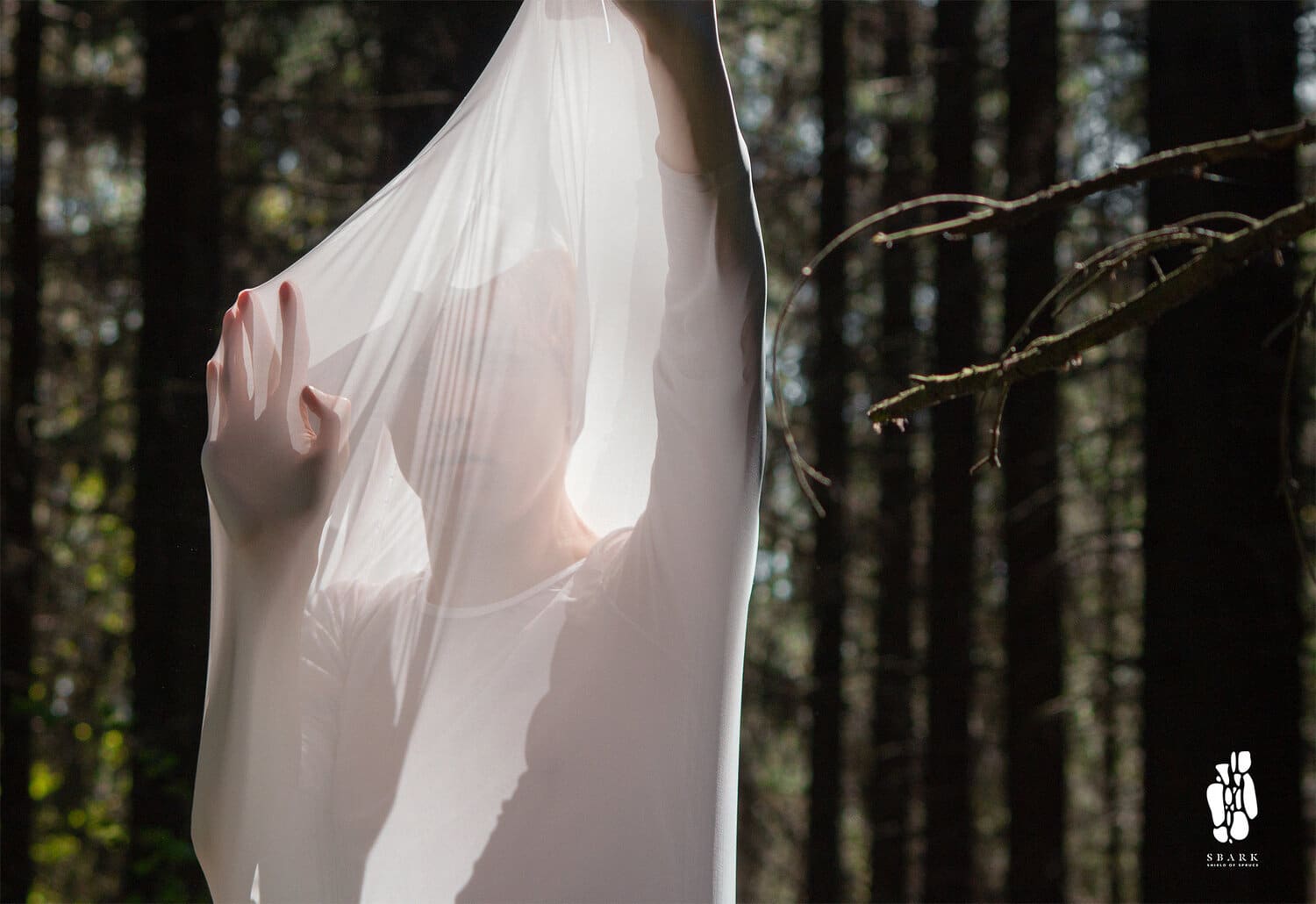
Can Tree Bark Make Clothes Better for Us—and the Planet?
Make fabric more sustainable, antibacterial, and UV-protective using compounds found in the inner bark of spruce trees, a byproduct of Finland’s timber industry.Read More
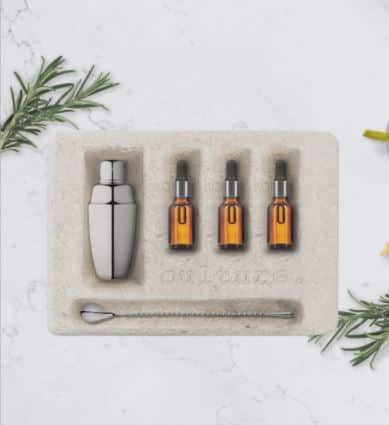
Can Microbes Help Us Taste Alternate Worlds?
Use microbes from the past as a “spice rack” to evoke alternate times and places.Read More
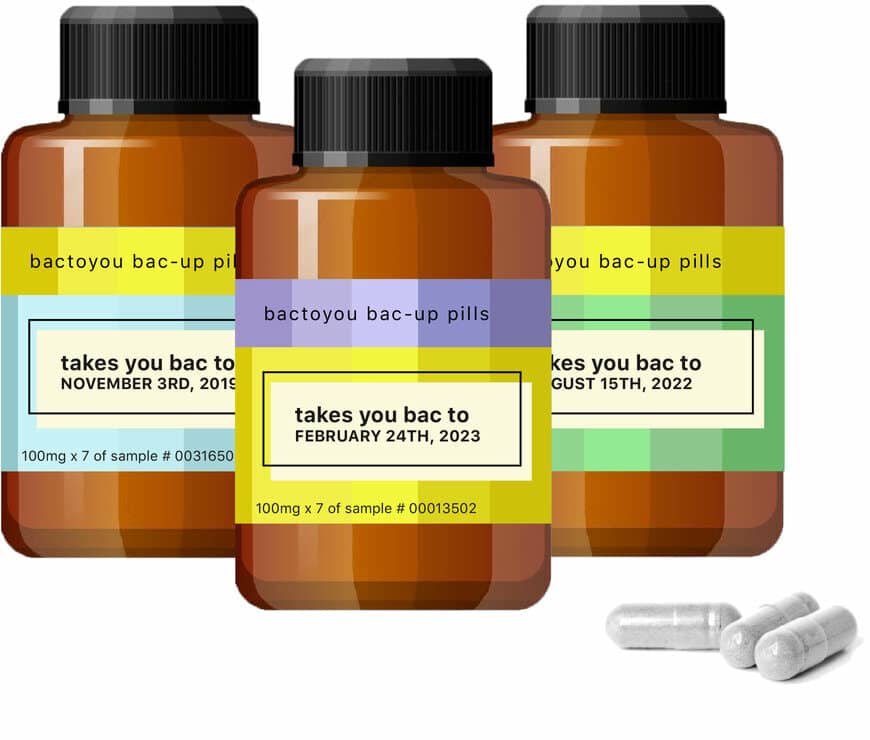
Can Time-Traveling Guts Cure What Ails Us?
Sample and log people’s intestinal bacteria, so that if they get sick they can restore their gut microbiome to its former healthy state.Read More
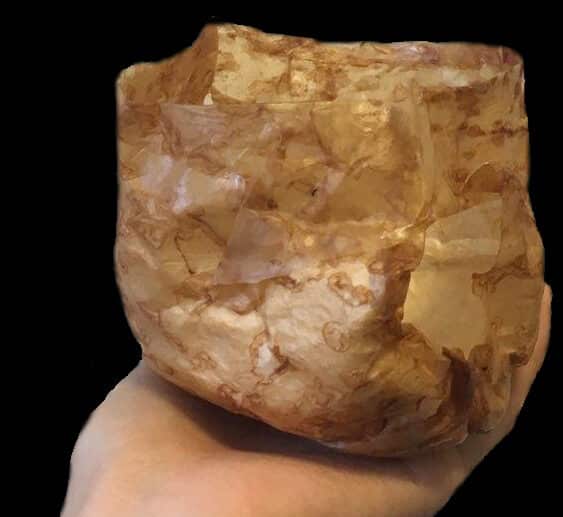
Can Orange Peels Make Diapers Green?
Turn citrus waste into disposable diapers that compost quickly.Read More
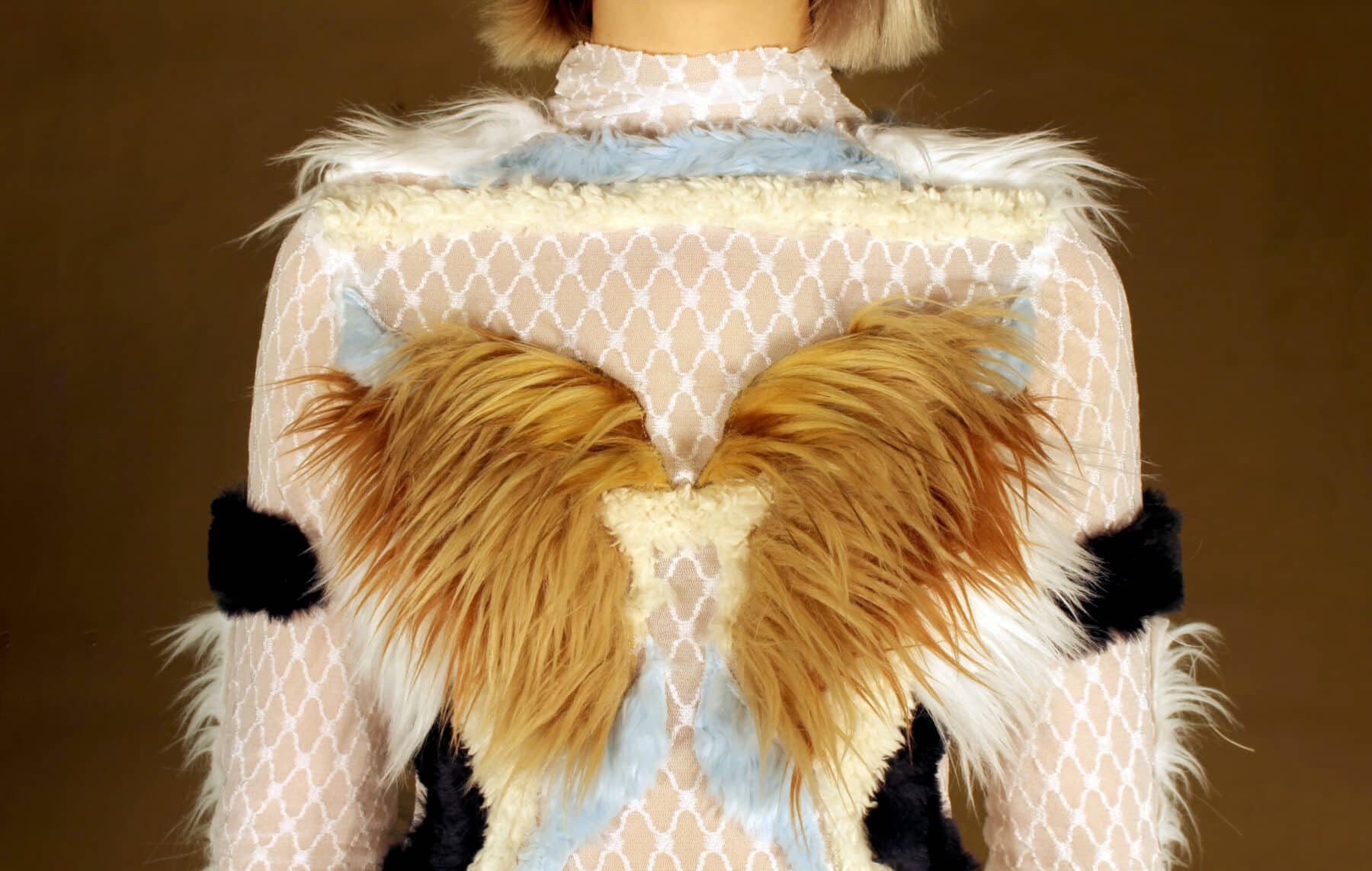
Can Wool Sweaters Be Spun Without Sheep?
Harvest fiber grown on a synthetic skin to reduce the environmental impact of wool and fur production.Read More
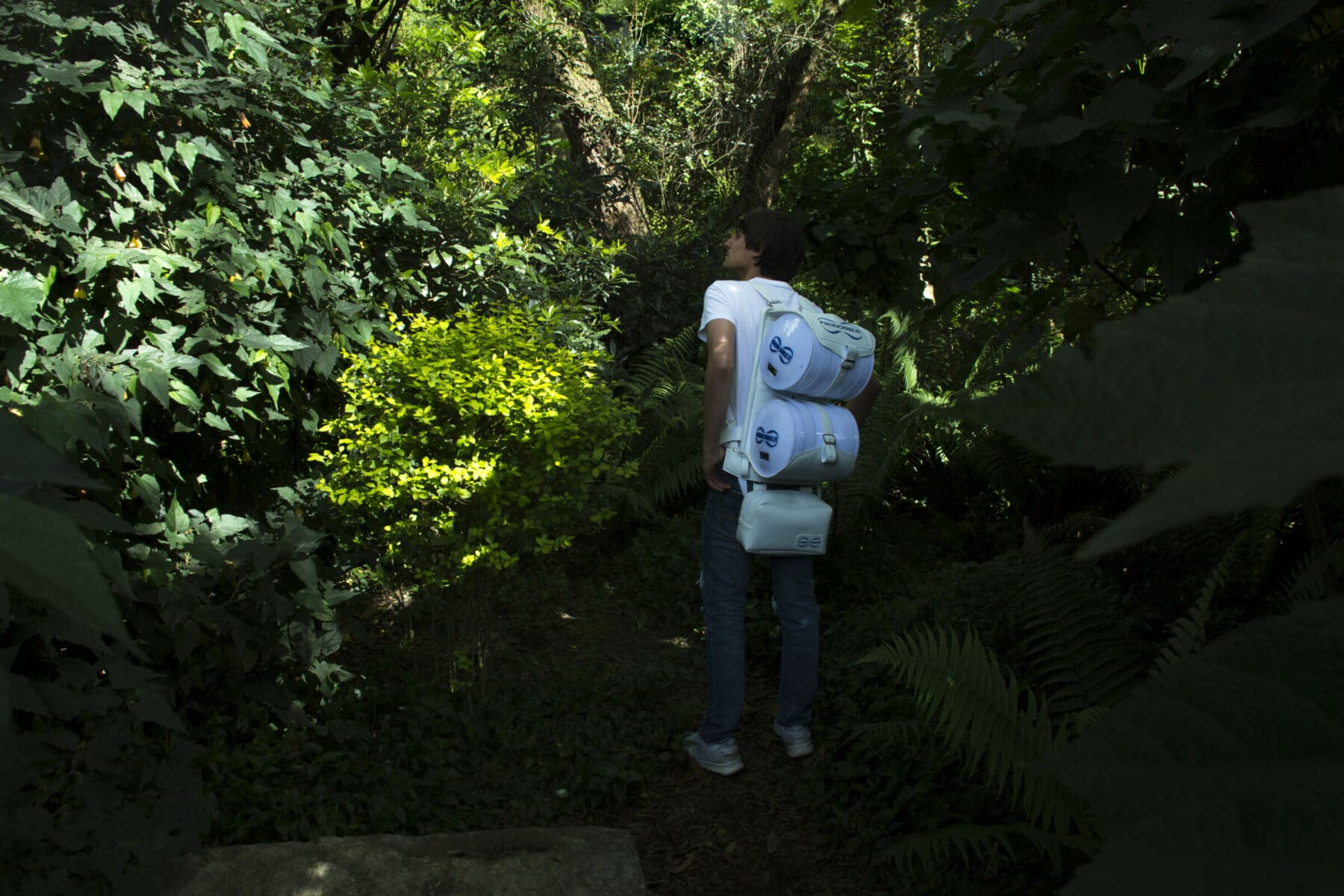
Can Bacteria Build A Cheaper Refrigerator?
Use bacteria’s ability to modify ice to engineer refrigeration systems for rural areas without electricity.Read More
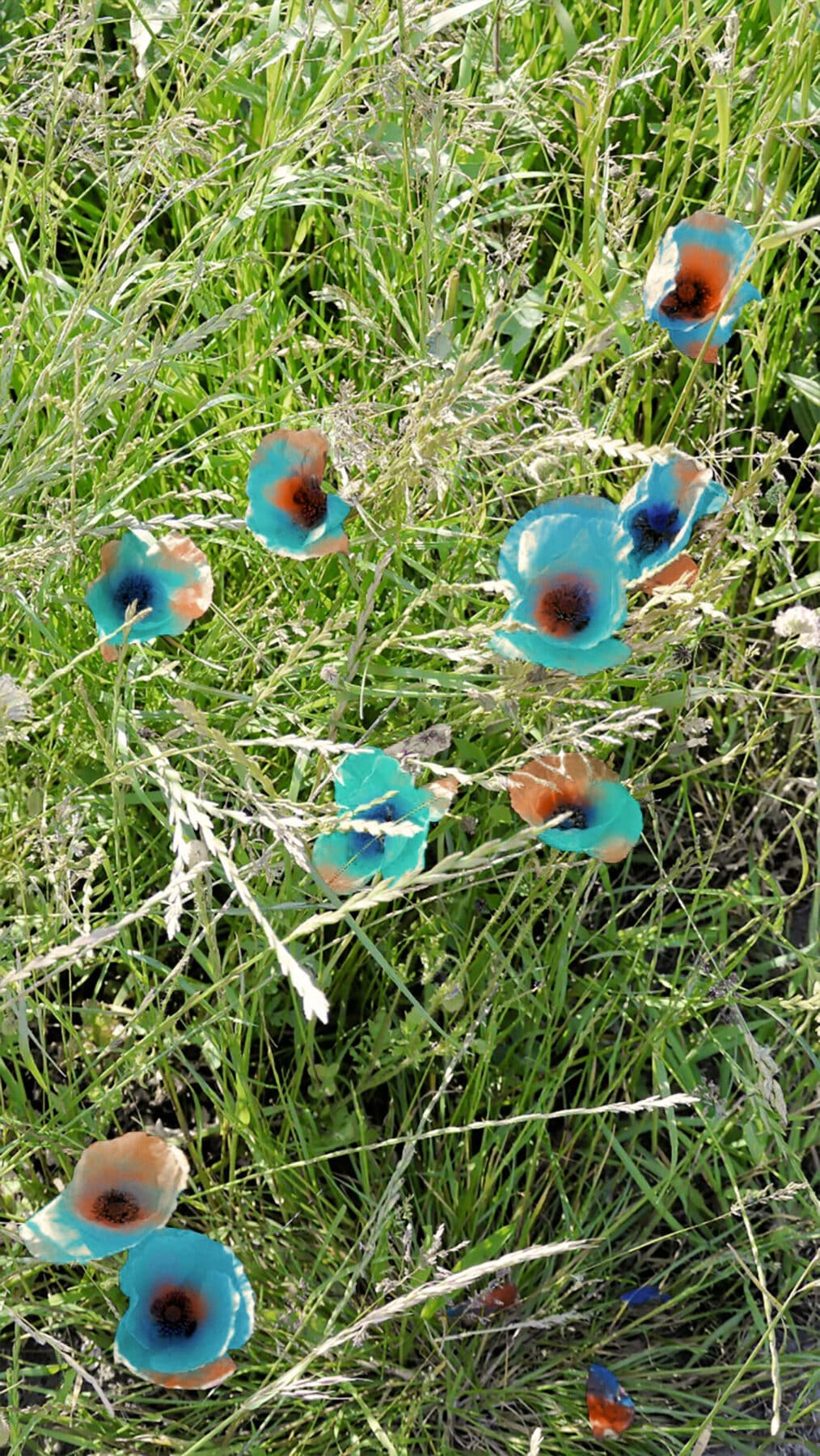
Can Fungi Be Engineered for Civil Disobedience?
Give biotechnology tools to artists and activists to use as new forms of social protest. Read More
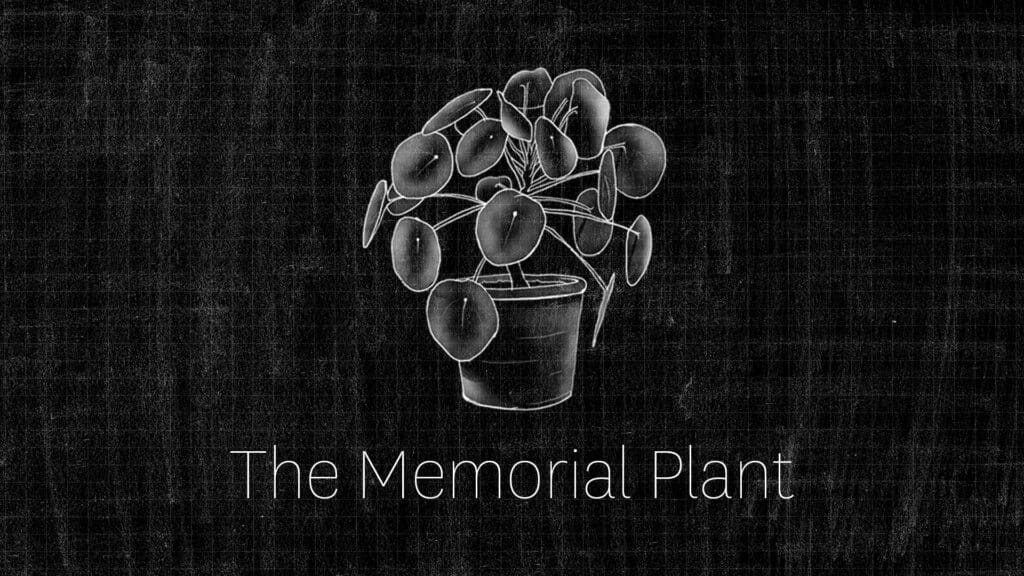
Can Plants Help Humans Mourn on Mars?
Creating living memorials for communities on Mars by encoding the DNA of plants with the memories of loved ones.Read More
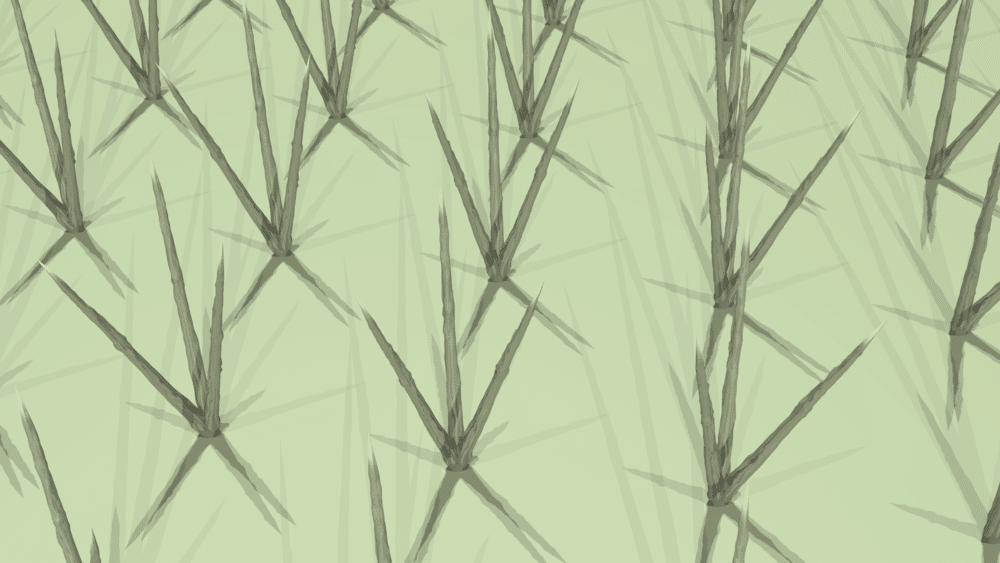
Can We Survive Drought by Imitating Cacti?
During periods of drought, buildings and people collect and store water by using synthetic panels that mimic cactus spines.Read More
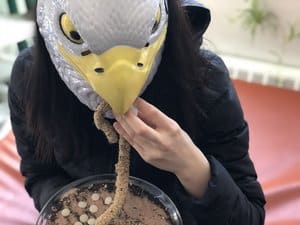
Can Humans Be Modified to Eat like Birds and Rabbits?
In a 2070 world of food shortages, people modify their bodies with microchips so they can eat from the bottom of the food chain and share excess nutrition with each other, reshaping global identities.Read More
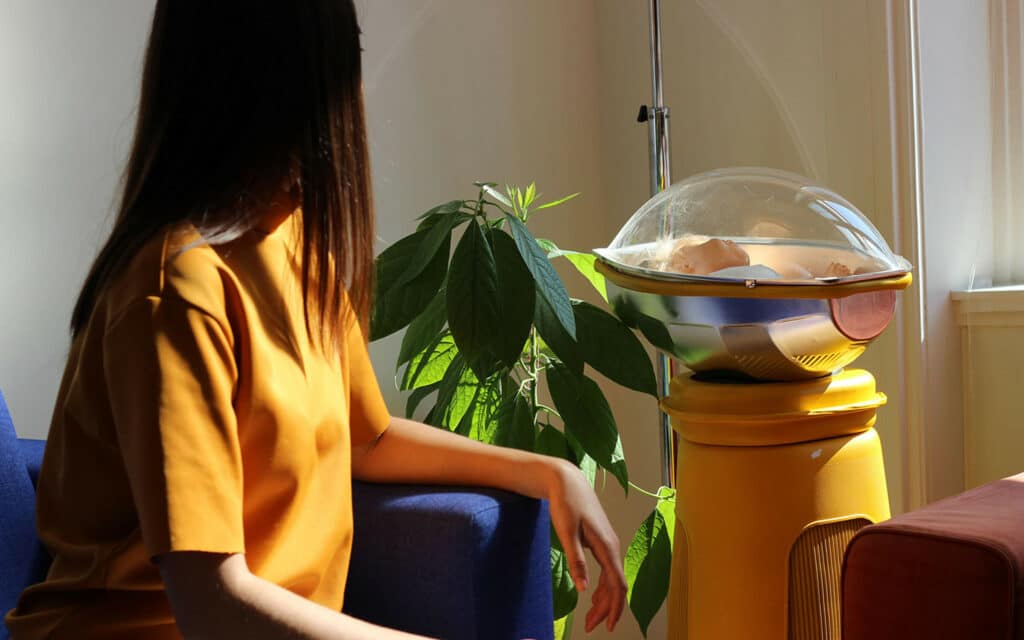
Can Babies Be Born From Biobags?
To allow anyone to create a child, design an artificial womb that can be set up in a living room or other part of the house.Read More
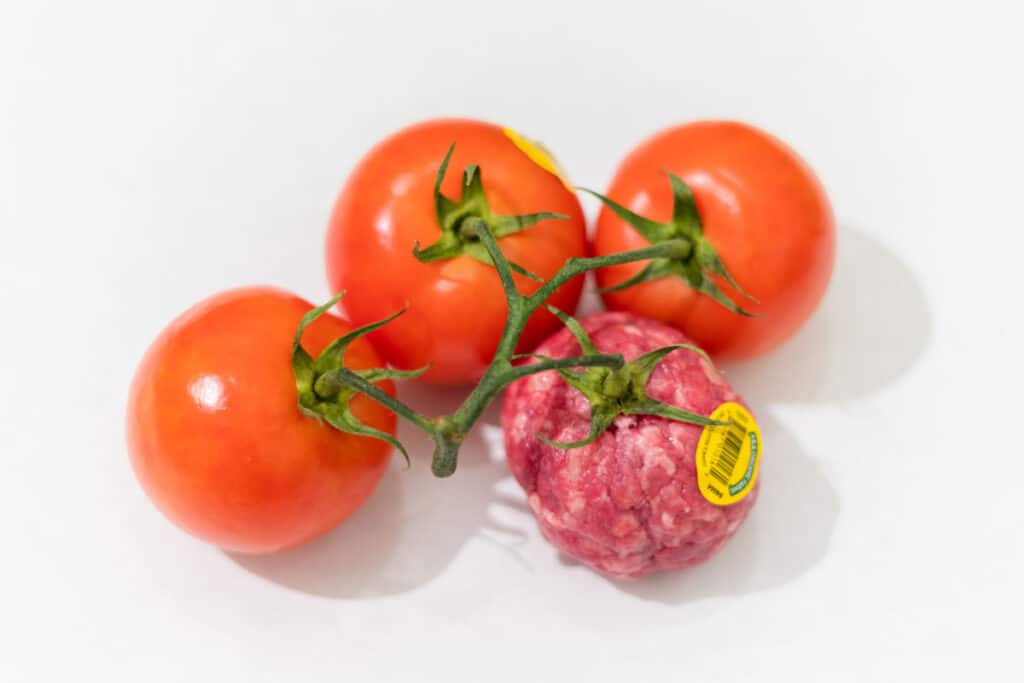
Can Beefsteak Tomatoes Replace Steak Itself?
Create a self-sustaining kitchen with a bioreactor that uses bioengineered yeast to grow its own “meats,” while generating the electricity to cook them.Read More
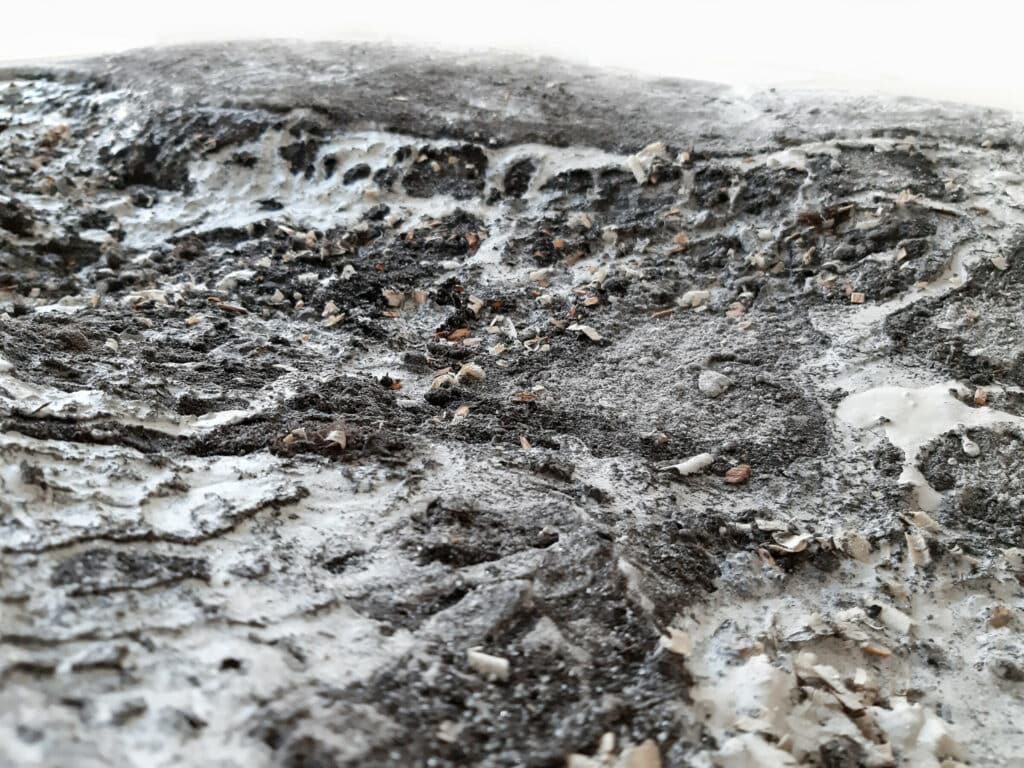
Can Fungi Keep a City from Collapsing?
Cities that are prone to catastrophic sinkholes could reinforce their foundations through a process that uses fungi to prevent collapse.Read More
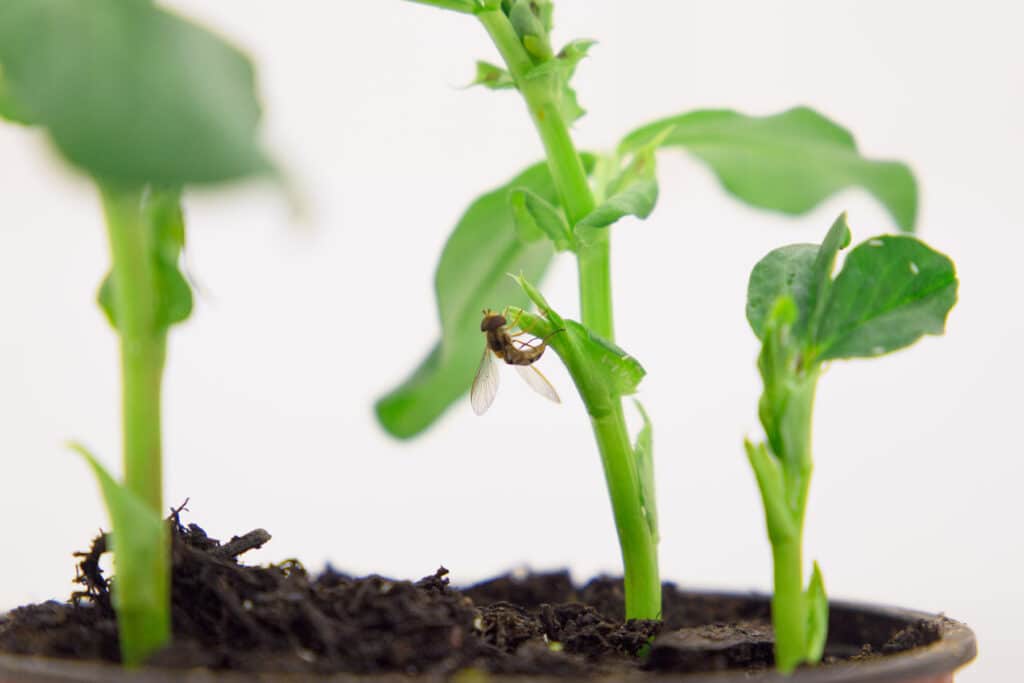
Can Flies Be Lured to Do the Bees’ Job?
With bee populations declining around the world, flies could be “trained” to pollinate flowers, ensuring that crops and fruit-bearing trees continue to thrive.Read More
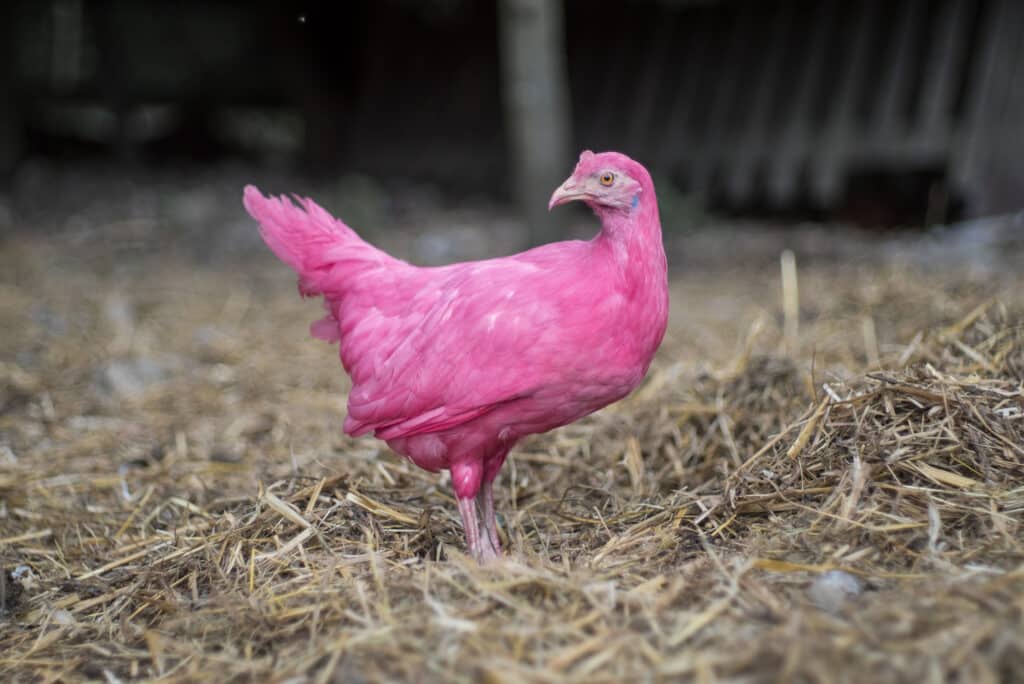
Can Pink Chickens Become the Fossil Record of the Anthropocene?
By encoding the DNA of today’s chickens with messages—and genes to turn their bones pink—they become biomarkers of humanity’s impact on the earth, eventually fossilizing to leave a geological layer of pink traces on the planet’s crust.Read More
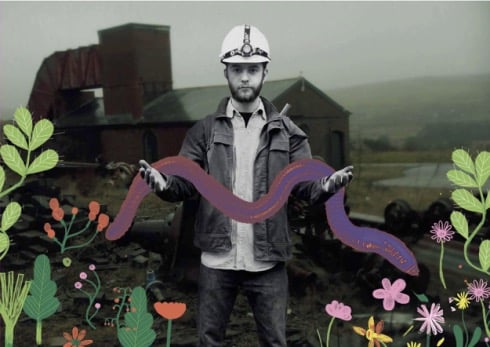
Can Earthworms Give Coal Miners Green Jobs?
Create a self-sustaining kitchen with a bioreactor that uses bioengineered yeast to grow its own “meats,” while generating the electricity to cook them.Read More

Can Today’s Dinner Become Tomorrow’s Motorcycle Jacket?
Use waste from seafood shells and old coffee grounds to create a leather alternative with minimal environmental impact.Read More
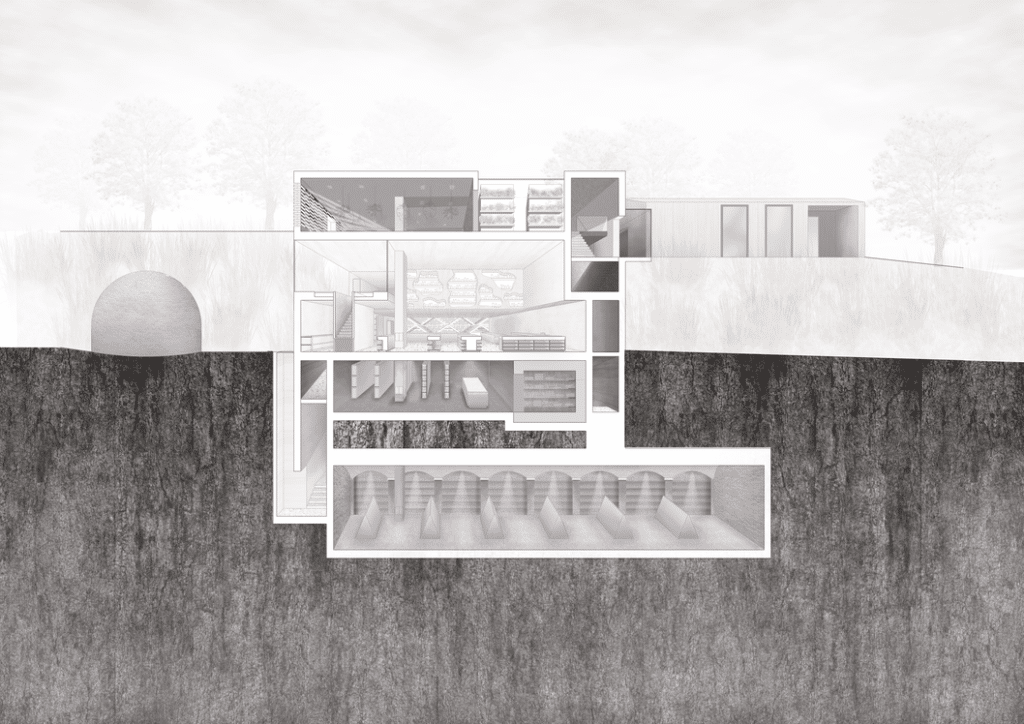
Could Future Kitchens Grow Both Food and Power?
Create a self-sustaining kitchen with a bioreactor that uses bioengineered yeast to grow its own “meats,” while generating the electricity to cook them.Read More
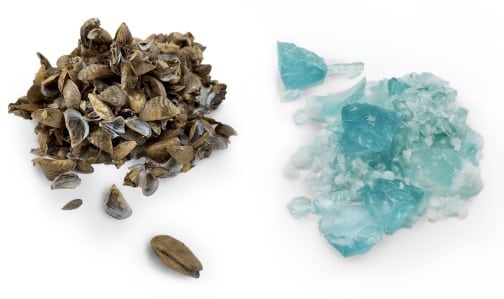
Could an Ecological Threat Become a Beautiful Thing?
In the Great Lakes region, invasive quagga and zebra mussels could be harvested as a raw material for glass making, transforming them into unique objects and sparking a local crafts movement.Read More
Follow Issues on Twitter, Facebook, and LinkedIn. Comments? Questions? Email editors@issues.org.