Preparing for the Bioconvergence
How can Americans “engage with biotechnology the same way they do with cell phones and computers”? In an interview for the Summer 2025 issue, Senator Todd Young explains why the emerging bioeconomy should be understood as an urgent opportunity as well as a potential military and security vulnerability. As chair of the National Security Commission on the Emerging Bioeconomy, Young is optimistic that both parties are willing to foster the bioindustries of the future in order to create “a more informed, empowered, and resilient society capable of leveraging science and technology to solve a wide range of global challenges.”
Editor's Journal
Innovation’s Hidden Scaffolds
Read MoreIn this time of political, economic, and technological upheaval, what does it mean that so many advocates for science are pointing to an 80-year-old report by Vannevar Bush?
Forum
Helping Scientists and Engineers Work With Congress
Read MoreScience Policy Fellowships Making Major Impact
Read MoreLearning From Grant Applications
Read MoreThe Evolving View of Animal Minds
Read MoreLessons From Environmental Lawsuits
Read MoreA Culture of Science-Informed Governance
Read MoreGoogle “Toaster Laser”
Read MoreThe Fragility of Doing Good
Read MoreBeing a Good Mentor
Read MoreWhat Can Science Philanthropy Do?
Read MoreFixing a Dysfunctional Food System
Read MoreIf Your Snark Be a Boojum
Read MoreBehavioral Aspects of Trust in Science
Read More

Gallery
Journey to Nature’s Underworld
Perspectives
Where Is Singapore’s AI Regulation Headed?
Read MoreSingapore relies on existing laws and voluntary guidelines to govern AI. Will this relaxed approach be sufficient as AI advances?
STEM-in-Society Programs Deserve Institutional Support
Read MoreSTEM-in-society programs, which help students understand the complex relationships among science and technology and society, have never been more needed—but they are in jeopardy nationwide.
For Better Soil, Get Better Data
Read MoreRelying on outdated soil quality data to value farmland creates a disincentive for farmers to invest in conserving topsoil.
What We Don’t Know About Public Perceptions of Science
Read MoreThe Trump administration’s overhaul of federal science policy will impact all Americans. What does the public think about these changes to federal research budgets and policies?
It’s Time for Universities to Redesign Their 75-Year-Old Contract
Read MoreAmerican research universities have unleashed an age of massive technical innovation—but they’ve failed to innovate their own designs to meet the changing needs of society.

Interview
“There’s a Real Urgency to Be Ready When That Bioconvergence Happens.”
Poetry
Techno-Origami
Read MoreThe 3-D printer
worked overtime
sculpting lemon trees
complete with bees
on budding flowers.

Gallery
Indigenous Futurisms
Real Numbers
The Real Returns on NIH’s Intramural Research
Read MoreThe intramural research program at the National Institutes of Health generates benefits far beyond the property lines of its facilities and laboratories.
Features
The Case for a National Disaster Research Strategy
Read MoreAn integrated, interdisciplinary national research strategy is urgently needed to strengthen the country’s efforts to prepare for, respond to, and recover from disasters.
Updating Mental Models of Risk
Read MoreDisasters are no longer isolated events. This demands a fundamental change in how we think about and respond to complex risk.
Preventing the Next Public Health Emergency
Read MoreDuring the pandemic, small shifts in health data regulation revealed big insights for disease prevention.
A Nation of Innovators
Read MoreThe story of how the federal government became an innovation evangelist in the 1960s is an account of fits, starts, and ideological ambiguity.
Creating a Popular Foundation for the Bio-Age
Read MoreMuch as local libraries laid a foundation for the information age by building American literacy in the late nineteenth and early twentieth centuries, community bio labs could usher in the bio-age by building bioliteracy.
How to Catalyze a Safer and More Sustainable Chemical Industry
Read MoreThe chemical industry’s last century is a story of highs and lows—both provide lessons that can be used to design its future.
A Unique Technician-to-Engineer-to-Scientist Progression
Read MoreHow Navajo Tech’s advanced manufacturing program fights brain drain from ancestral lands.
Cultivating Mastery in Place
Read MoreDiné entrepreneurs entwine economic renewal with mutual obligation, providing a model of regional economic development that serves the community.
What Happens When the Nuts and Bolts of Science Diplomacy Come Loose?
Read MoreThe United States has focused on preventing the transfer of sensitive technology to adversarial nations rather than on improving its ability to collaborate internationally.
Building Decision Points Into Research’s Slipperiest Slopes
Read MoreThe controversy around a ban on “mirror life” should lead to a more nuanced public conversation about how to manage the benefits and risks of precursor biotechnologies.
Book Reviews
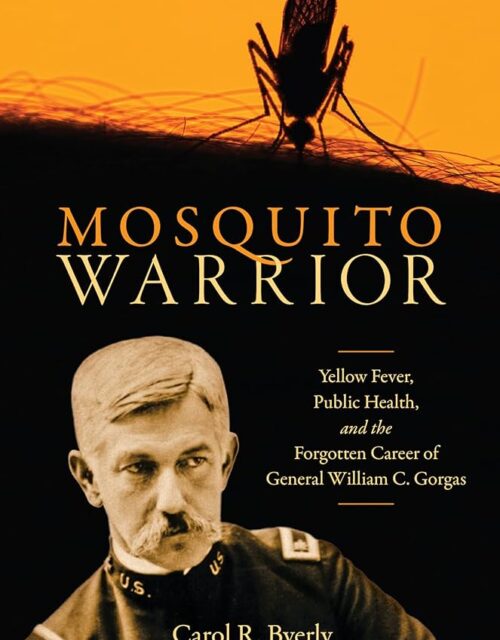
Among the Very Greatest Conquests
Read MoreA new biography of US Army physician William Crawford Gorgas—a giant in the field of global health—describes some of the first steps in the long struggle to control yellow fever.
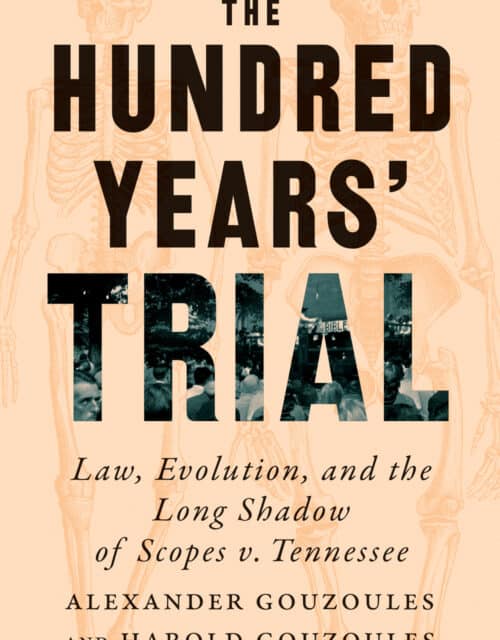
A Century of Conflict Over Evolution Education
Read MorePublished to commemorate the centennial of the Scopes “monkey” trial, a new book examines the legacy of the trial, culminating in a crucial warning about future litigation over the teaching of evolution in the United States.
Celebrating the Quantum
Read MoreEmerging technologies suggest we are only just beginning to realize the quantum revolution and its myriad applications.