How Art Takes On the Gaps in Climate Policy
Climate change is most often discussed in the language of policy: temperature targets, emissions regulations, adaptation strategies, and deadlines that extend over decades. These policy frameworks are essential but incomplete—they struggle to address how societies imagine potential futures, and how values, responsibility, and care factor into decisionmaking when time itself becomes a constraint.
Courtesy of the artist and Sikkema Malloy Jenkins, New York.
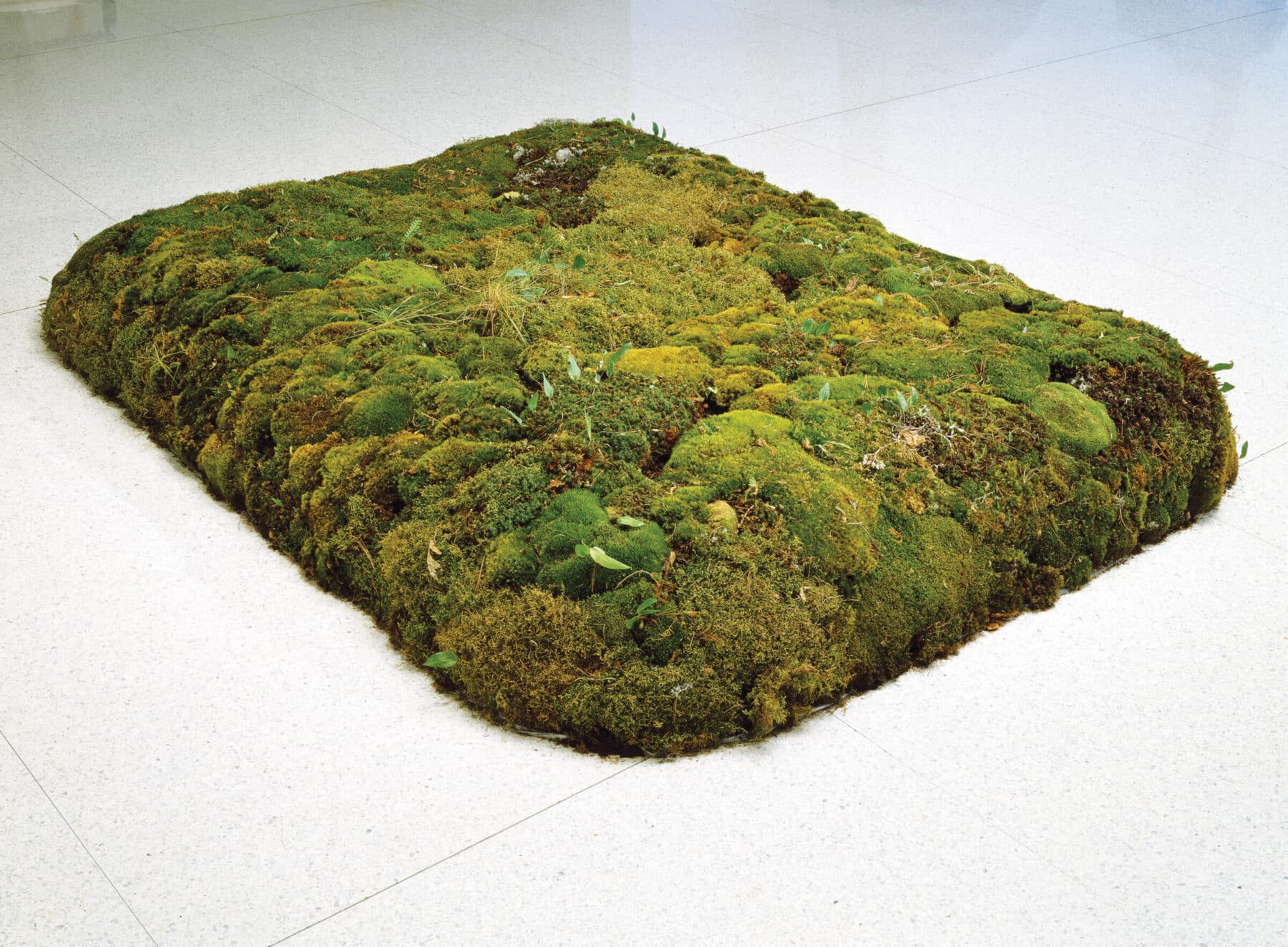
The Nevada Museum of Art’s Into the Time Horizon takes that gap seriously. Rather than treating climate change as a technical problem awaiting a technical fix, the multiyear exhibition approaches it as a cultural and ethical challenge that art is uniquely positioned to examine.
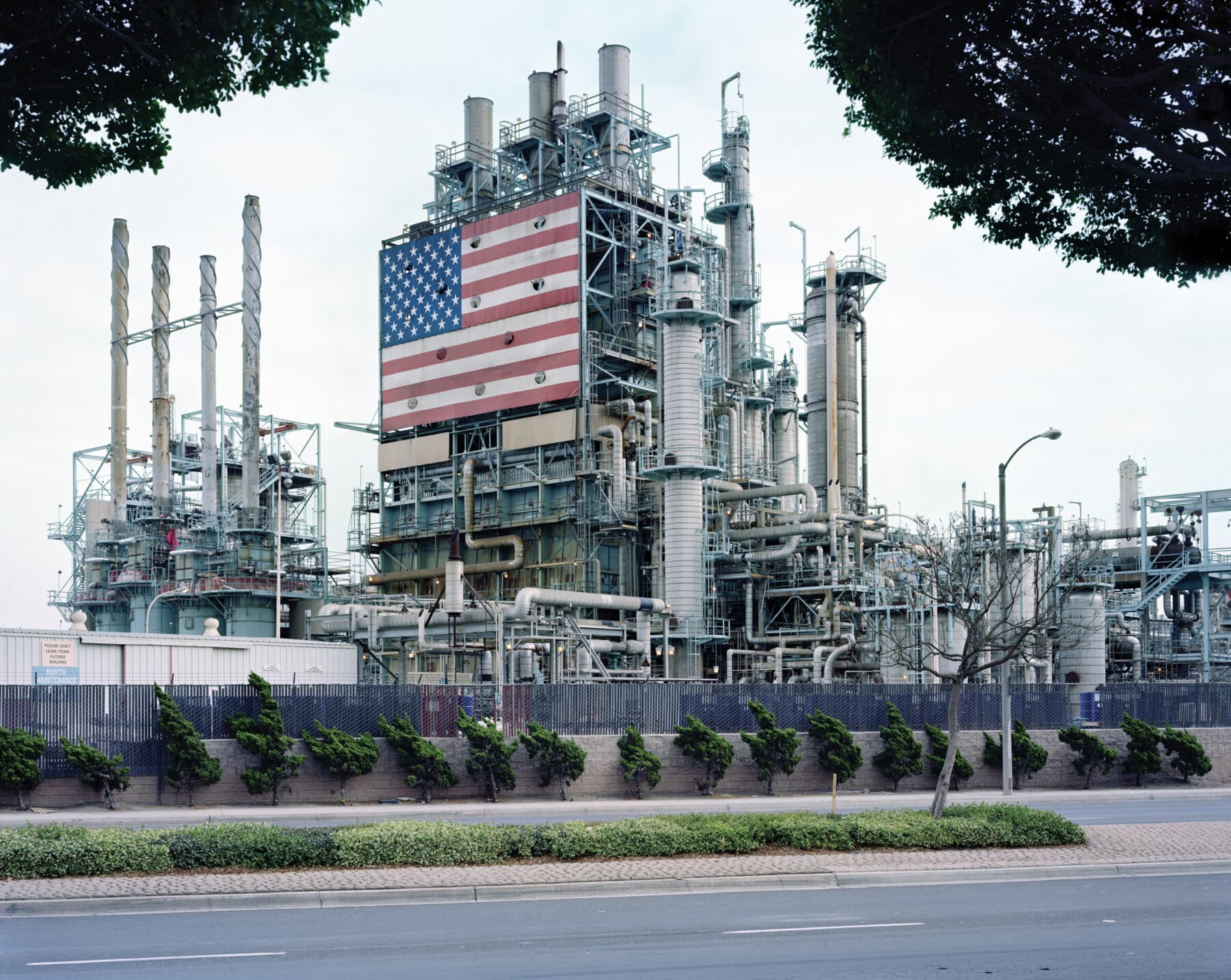
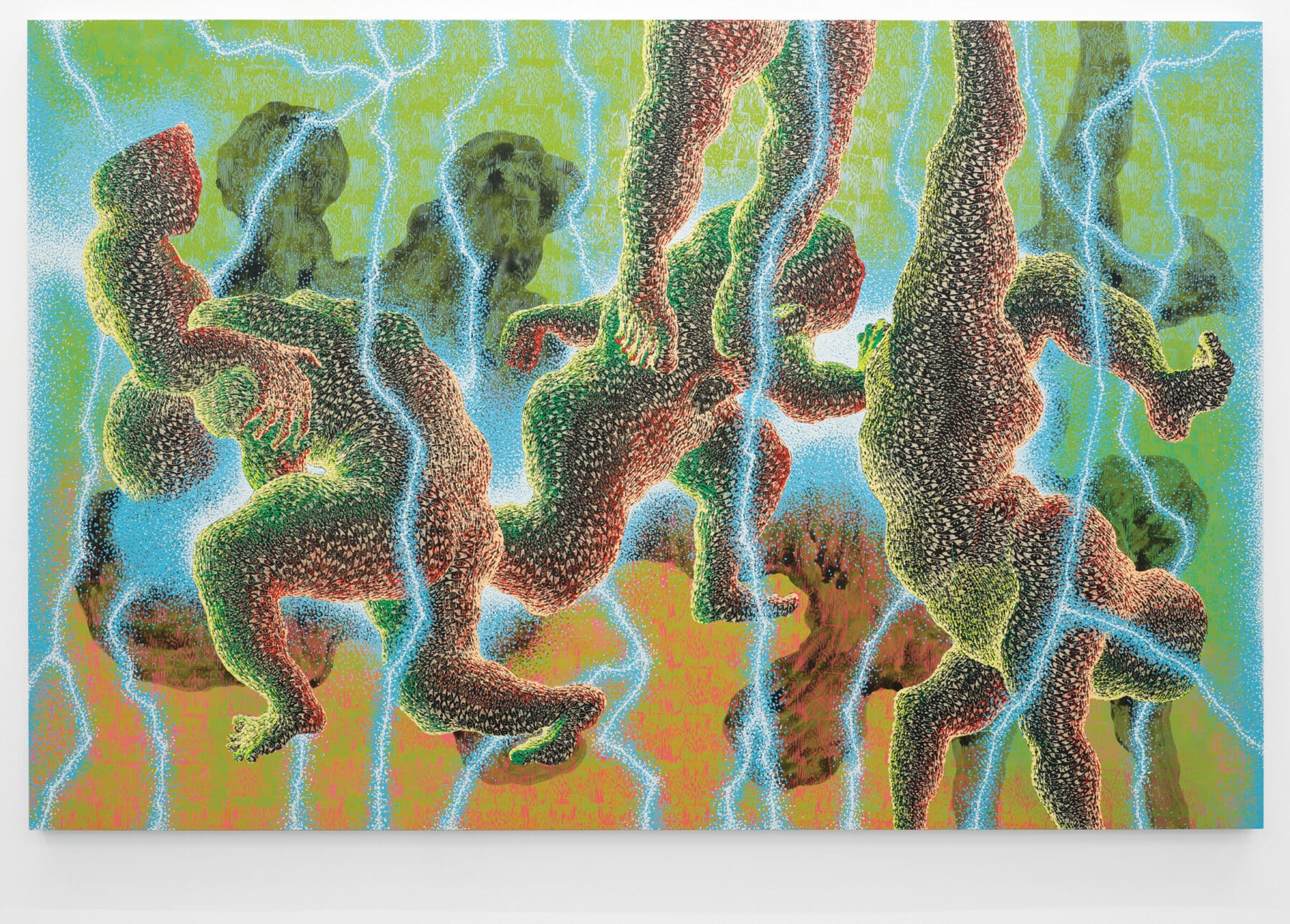
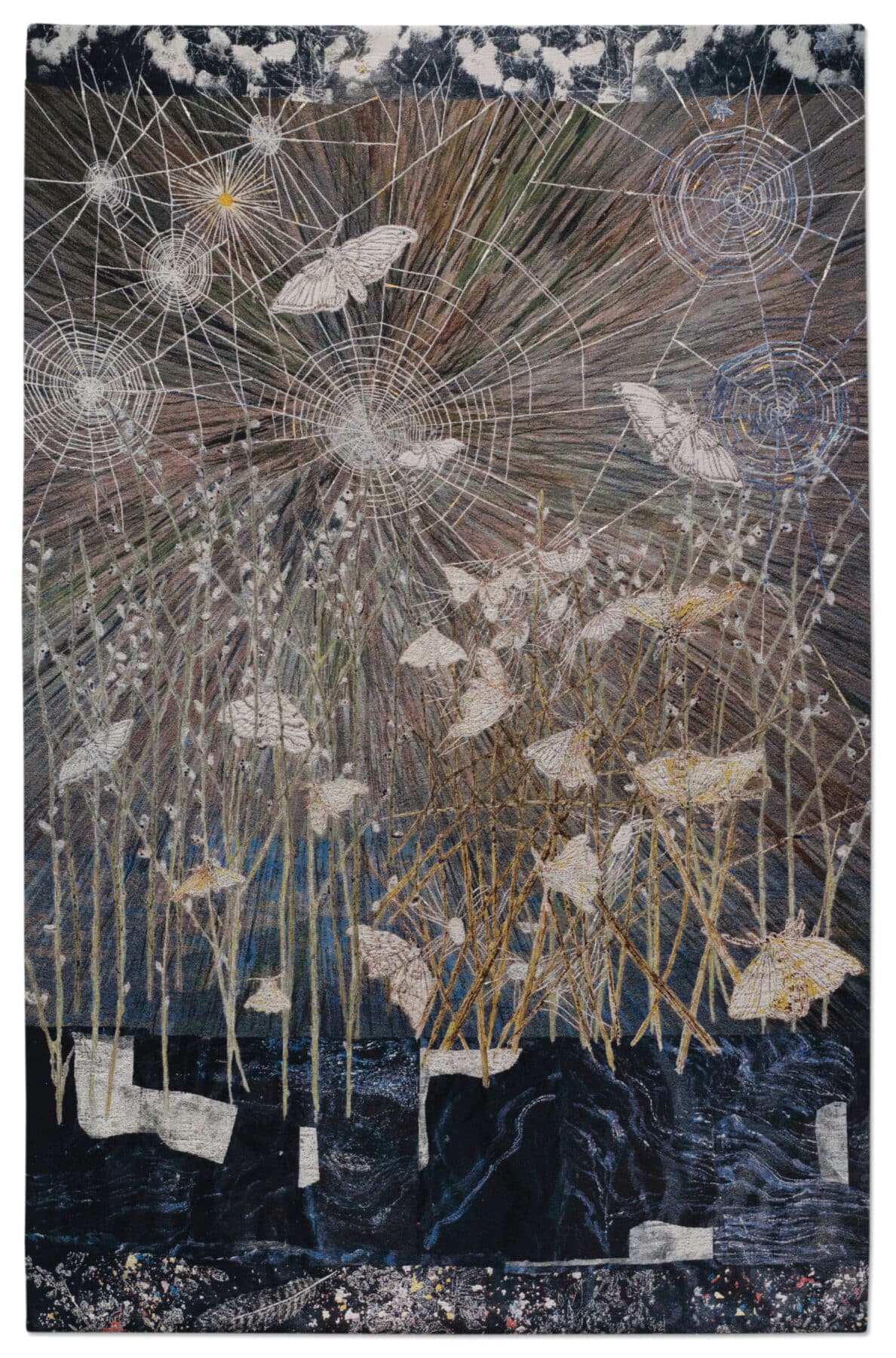
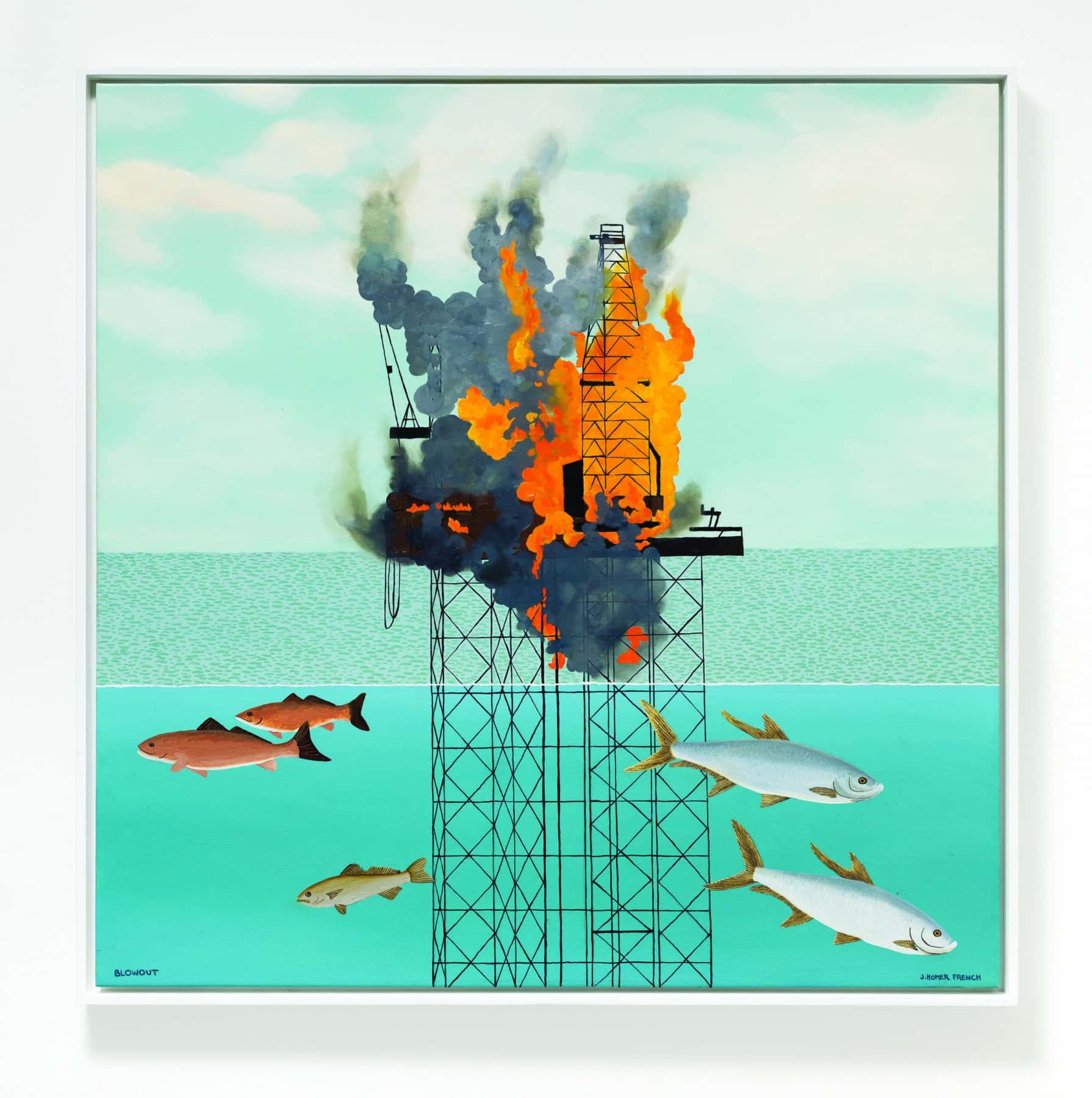
In her essay for the show’s catalog, curator Apsara DiQuinzio writes that Into the Time Horizon “invites people to consider how to move forward on this planet, ethically, responsibly, and with care for coming generations.” The title of the show draws from the work of writer Kim Stanley Robinson, who has described the climate “time horizon” as the narrowing window in which humanity can still prevent the most catastrophic consequences of climate change. This urgency shapes both the structure and the content of the exhibition. Bringing together nearly two hundred artists working across media and geographies, Into the Time Horizon examines climate change not as a single challenge, but as the emergent property of many interconnected systems.
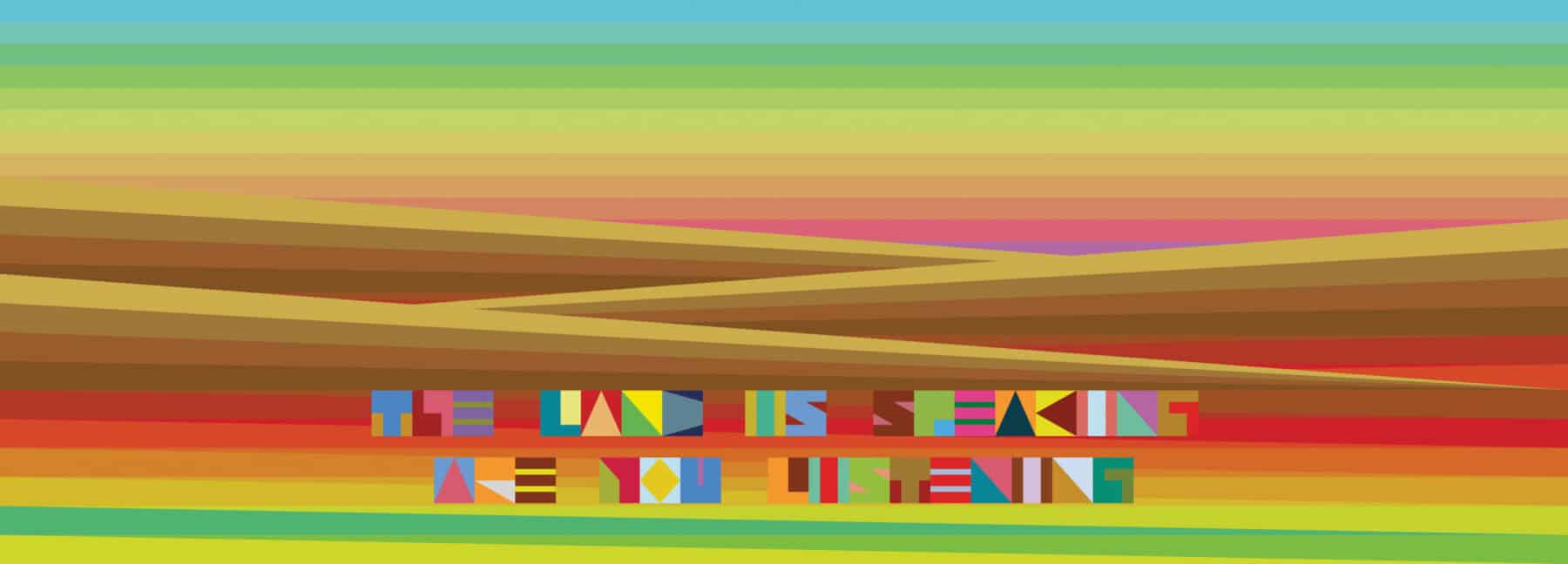
The exhibition’s conceptual center is a section titled “Listening to the Land,” which highlights Indigenous ecological knowledge systems. Featuring Aboriginal and Torres Strait Islander, First Nations, and Native American artists, it presents Indigenous practices as living models of governance rooted in stewardship, reciprocity, and long-term accountability to place. The section’s title comes from Jeffrey Gibson’s mural, The Land Is Speaking Are You Listening, in which embedded text runs through bands of saturated color that evoke the landscapes of the American Southwest. The work reminds viewers that land itself carries knowledge and insists that attention and listening are political acts as much as cultural ones.
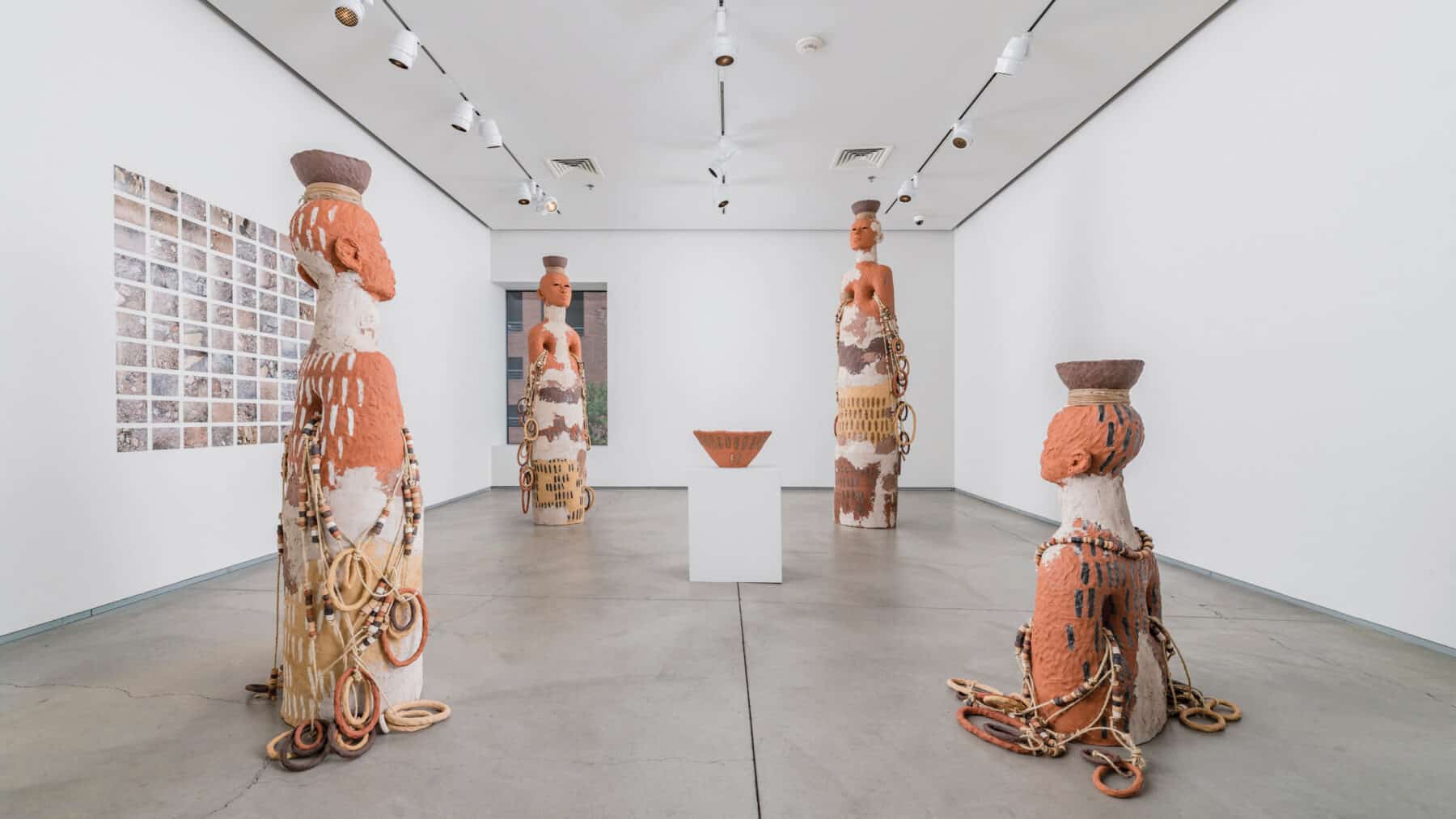
That insistence becomes visceral in Rose B. Simpson’s monumental sculpture The Four. Placed along the four cardinal directions, Simpson’s clay figures appear to rise from the earth itself. The artist has said, “We are on a precipice right now and everything we do will impact the land.” Stones collected from the museum grounds are balanced on the figures’ heads, anchoring the work to its specific location and underscoring the inescapable link between place and climate futures.
Importantly, Into the Time Horizon unfolds over time. Installed sequentially and remaining on view through 2027, the exhibition’s extended duration mirrors the long arcs of climate policy. It acknowledges that public understanding and political will develop through sustained engagement rather than momentary attention.
The exhibition also anchors the Nevada Museum of Art’s 2026 Art and Environment Summit, a multiday gathering that brings artists into conversation with scientists, writers, and policy thinkers. Rather than treating art as an illustrative supplement to science, the summit positions cultural practice as a valuable contributor to how environmental futures are imagined, communicated, and debated.
The exhibition catalog extends these conversations further, with essays by N. Scott Momaday, Maia Nuku, Makeda Best, and William L. Fox, alongside artists proposing strategies for ecological resilience. Together, the exhibition, summit, and publication contend that art and culture shape climate outcomes as profoundly as technical solutions.